
 Dining Room
 Kitchen
 Hallway
 Living Room
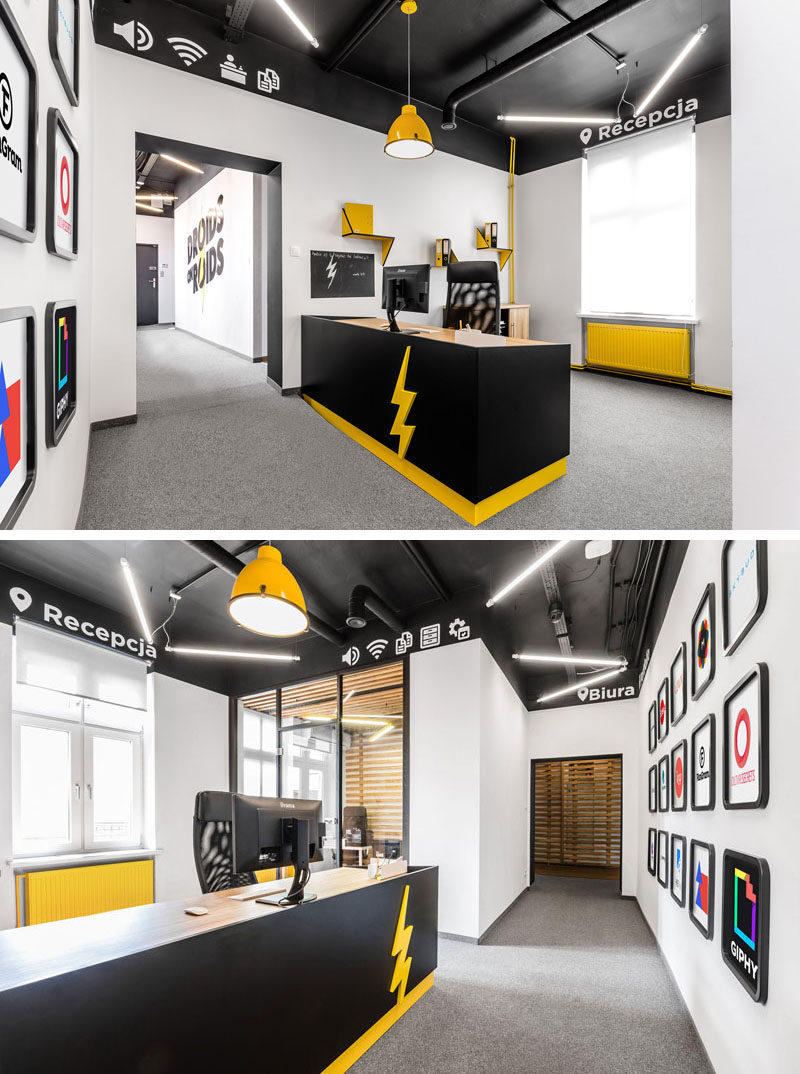 Office
 Bed Room
Parkway Bingo, also known as Highway Bingo or Park BINGO, is a popular form of bingo played on highways and parkways in various parts of the world, particularly in Asia, Europe, and North America. While it may seem unconventional to associate bingo with road travel, this unique concept has been gaining popularity over the years due to its simplicity, accessibility, and potentially high rewards.
History and Origins
The exact origin of Parkway Bingo is unclear, but evidence suggests that similar games have existed for decades in https://bingoparkway.ca/ various forms. In Japan, a game called “Highway Bingo” emerged during the 1990s as an entertaining way to pass time on long road trips. As people began using highways extensively, Highway Bingo became increasingly popular among locals and tourists alike.
Over time, variations of Parkway Bingo spread across Asia, where drivers started using bingo cards while traveling. The simplicity of creating and marking numbers, combined with the chance of winning prizes or rewards at predetermined stops, created a thrilling experience for participants. Today, various websites and apps offer digital versions of this game, allowing anyone to play Parkway Bingo from their smartphones.
How it Works
Parkway Bingo involves using bingo cards while driving on highways or parkways. The cards typically have five rows (numbers 1-75) with different shapes and patterns marked at the bottom for easier recognition. Players usually set a specific stop along the highway, known as the “Bingo Point,” where they can validate their tickets.
The mechanics are straightforward:
- A player selects bingo cards before embarking on a trip.
- Along the route, drivers record numbers of passing vehicles in increments (e.g., every 5th car or bus), marking them on the bingo card accordingly.
- If a driver notices three consecutive shapes (either horizontally or diagonally) and one additional matching pattern, they claim to have completed a winning combination.
Upon reaching the Bingo Point, the player shows their marked cards to a designated official (e.g., a cashier at a toll station). The attendant verifies the marks on each card according to pre-established rules. If all conditions for bingo are met, the participant is awarded rewards in exchange for completed bingo sheets or special privileges.
Types and variations include:
- Car Counting Bingo : Players count cars with specific colors (e.g., blue) passing by.
- Number Plate Bingo : Players record license plate numbers that match a predetermined criteria, usually including letters or combinations of characters.
- Vehicle Type Bingo : Drivers mark different types of vehicles they observe along the route.
Types and Variations
While most people are familiar with traditional bingo cards (B3 and B5) used for classic games in clubs or halls, Parkway Bingo uses similar but modified templates. There is no standard size or pattern; however, variations incorporate colors, special designs, or combinations of characters to make the game more accessible.
In many Asian countries like China, Japan, South Korea, and Singapore, a custom designed bingo card with unique layouts serves as an added challenge while participating in Parkway Bingo.
Legal and Regional Context
The legitimacy of Parkway Bingo depends on regional regulations. In most areas where it’s practiced, participants must follow basic traffic rules. As no governing authority oversees the game globally, variations arise due to local laws or road safety concerns.
For example:
- China : Due to strict vehicle monitoring systems in use since 2003 (using GPS tracking and number plate recognition technology), regional authorities issued special permits allowing vehicles equipped with these features to participate.
- Japan : Parkway Bingo has gained widespread acceptance, and businesses now offer official cards for players. This development was possible due to Japan’s established traffic management infrastructure.
Free Play vs Real Money Options
Some online platforms or local organizations offer non-monetary games while driving as an alternative. Others allow individuals to win prizes based on participating vehicle types or specific conditions observed during a road trip, eliminating betting or financial stakes altogether.
Those interested in using Parkway Bingo for entertainment only can opt out of monetization by sticking to standard bingo cards and participating under predetermined rules without monetary implications.
Advantages and Limitations
Parkway Bingo provides both benefits and drawbacks:
- Engagement : Offers an engaging way to spend time while traveling.
- Social interaction : Players meet fellow travelers along the route, fostering camaraderie.
- Chance of reward : Possible high prizes or free rewards incentivize participation.
However,
- Safety risks : Focusing on observing passing vehicles can lead to reckless behavior behind the wheel or increased accidents caused by passengers trying to capture specific vehicle types.
- Traffic issues : Overly attentive drivers may ignore road rules, contribute to congestion, and be more accident-prone while driving at full attention.
- Environmental aspects : Participation requires unnecessary gas consumption or mileage due to players’ attempts to accumulate multiple observation periods within their trip.
User Experience
The user experience of Parkway Bingo is centered around social interaction, entertainment value, and participation without the usual monetary stakes. Successful participants share their experiences as a way to validate their success while engaging fellow travelers about various types of vehicles they encountered throughout the journey.
Common features among online platforms offering digital versions of this game include interactive maps, special templates for organizing player data, easy login capabilities for returning users, and accessible customer support systems in case questions arise during play.
Risks and Responsible Considerations
Careful consideration is essential while engaging with any type of bingo activity due to the underlying risks associated with participating behind the wheel. Participating drivers should maintain their concentration on road conditions at all times.
It’s crucial that users recognize potential hazards by limiting participation time when driving, maintaining safe distances between vehicles to avoid distractions from observing specific objects or actions around them.
Conclusion
Parkway Bingo presents an interesting aspect of travel culture in several regions worldwide, allowing participants to engage with bingo while embarking on extended road trips. Despite concerns about safety risks and responsible considerations when taking part behind the wheel, Parkway Bingo undoubtedly captures attention for both entertainment and thrill-seekers alike as a dynamic approach combining driving experience with strategic thinking.
Overall analytical summary: By integrating aspects from traditional forms of bingo into an exciting travel context where social interaction blends seamlessly with potential prizes or rewards along designated routes, Parkway Bingo combines two otherwise separate pursuits in creative ways that offer numerous opportunities for engagement across diverse groups worldwide.